Comparing the performance of different Classification and Regression Algorithms
AI•Machine Learning•Python
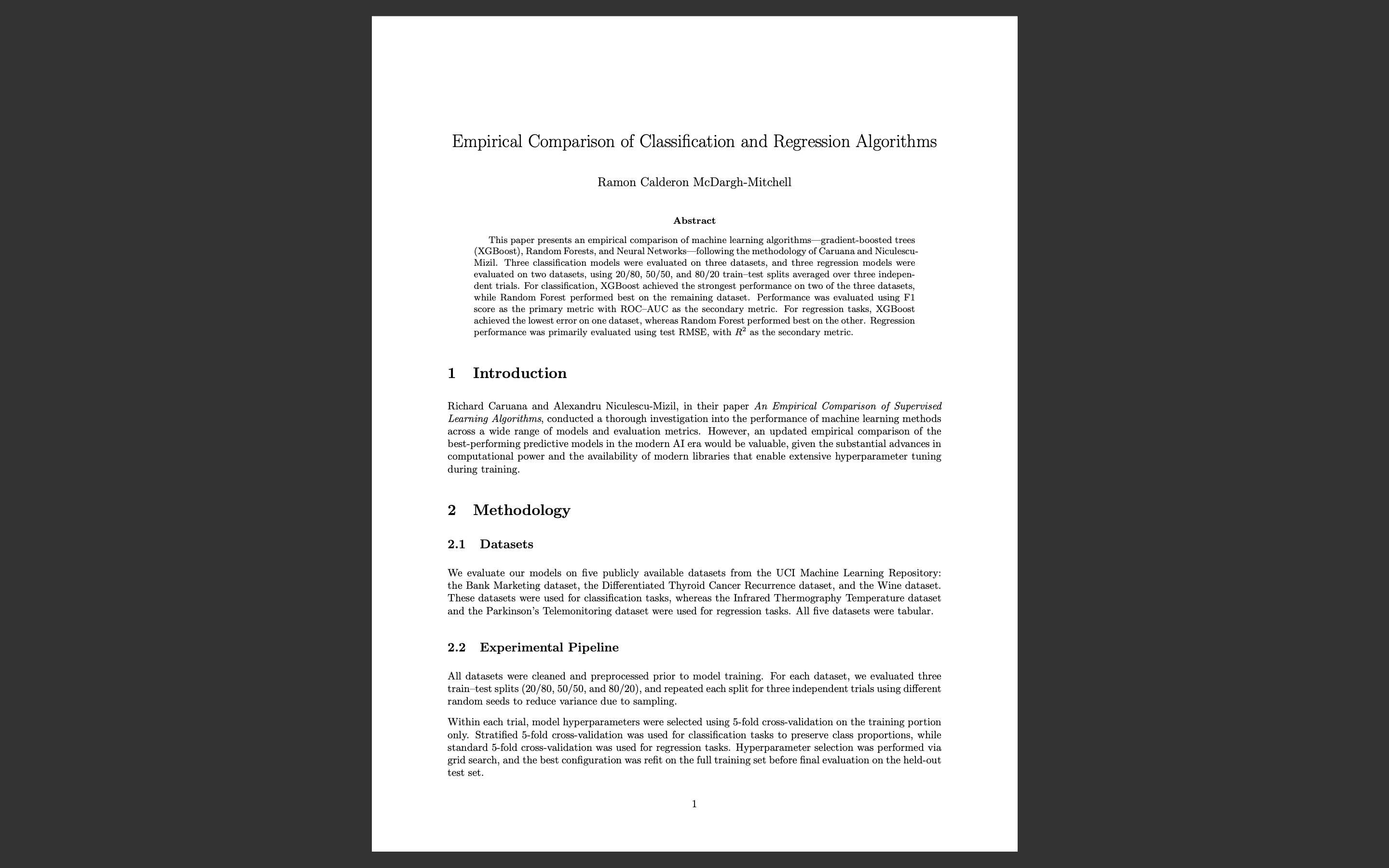
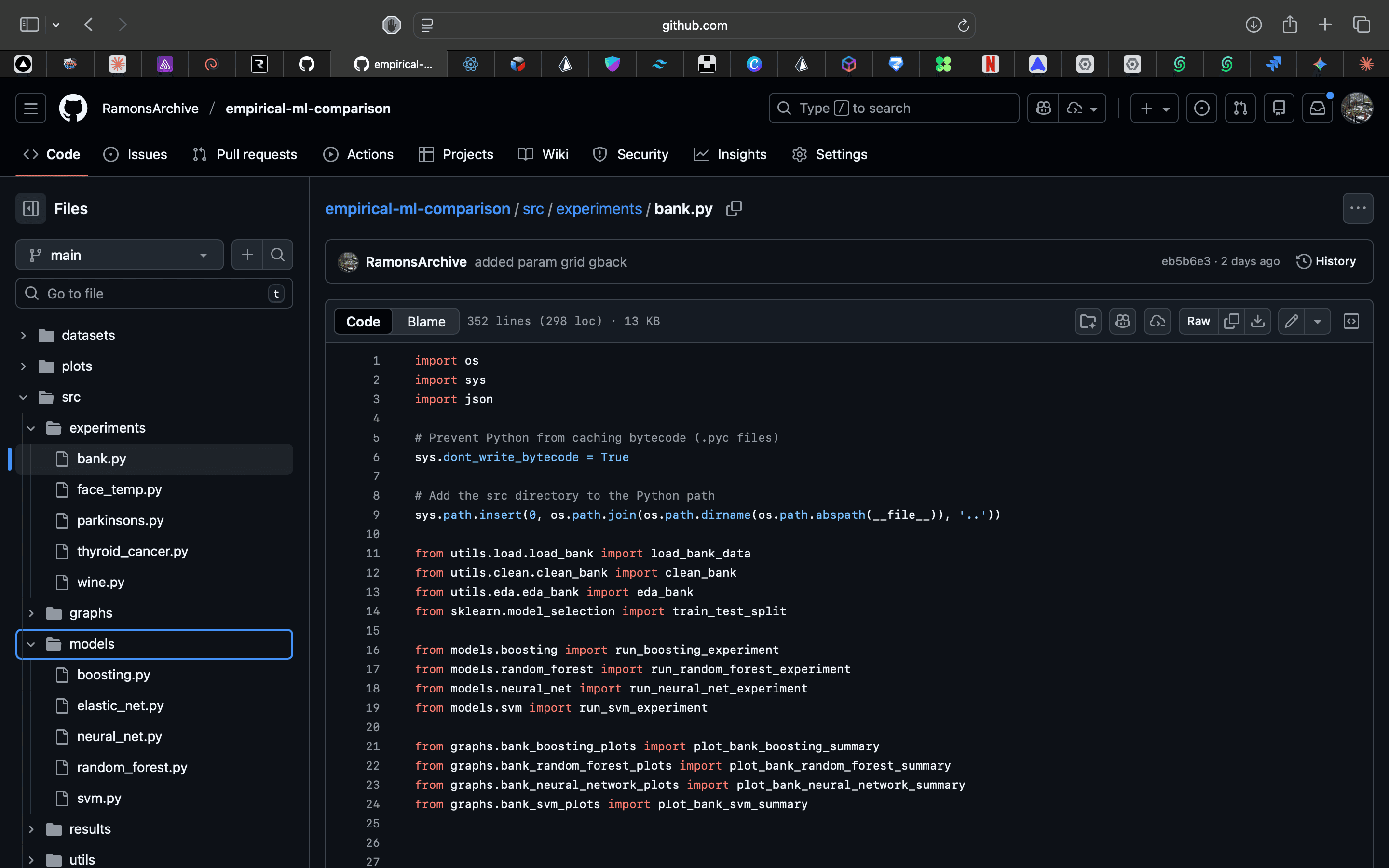
I built a comprehensive machine learning pipeline for tabular data and for both regression and classification tasks that compared the performance of Gradient XGBoosting, Random Forest, Neural Networks, and SVMs (though SVMs are excluded from the paper due to time constraints in hyperparameter tuning especially for large datasets for it to be competitive, but you can try it yourself). We compared three different splits 20/80, 50/50, and 80/20 across three independent trials with different seeds using 10-Fold stratified CV for classification and 10-Fold CV for regression for each model and each dataset. The results were very close, but the best model was Gradient Boosting as it had the best F1 score for two out of the three classification datasets and the best RMSE score for one out of the two regression datasets. This research paper followed the NeurIPS 2023 format and was inspired by Richard Caruana and Alexandru Niculescu-Mizil in their paper An Empirical Comparison of Supervised Learning Algorithms. The paper is not yet submitted for publication, but with some revision like adding more datasets and fully integrating the SVM into the paper, it could be submitted for publication.
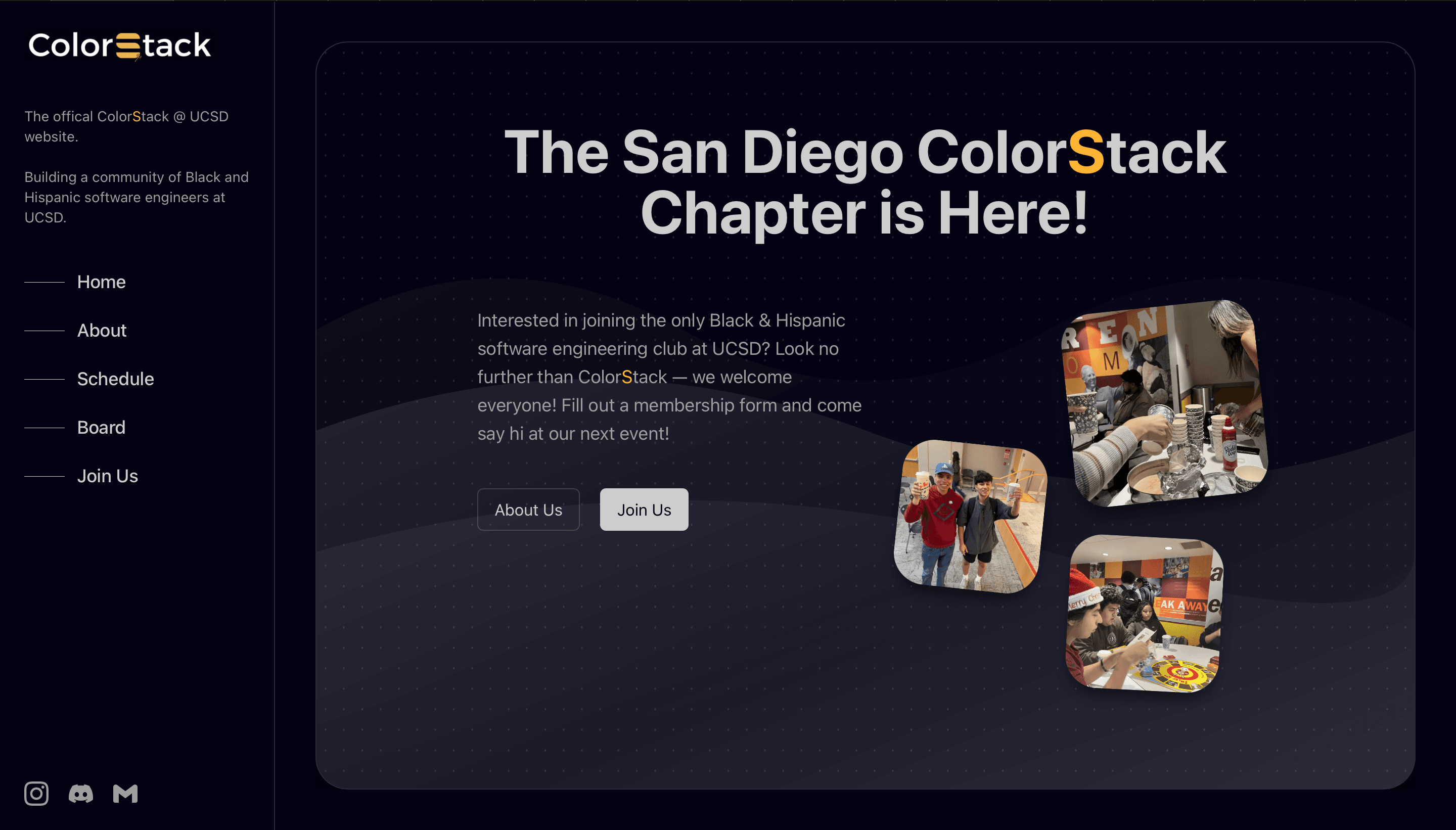
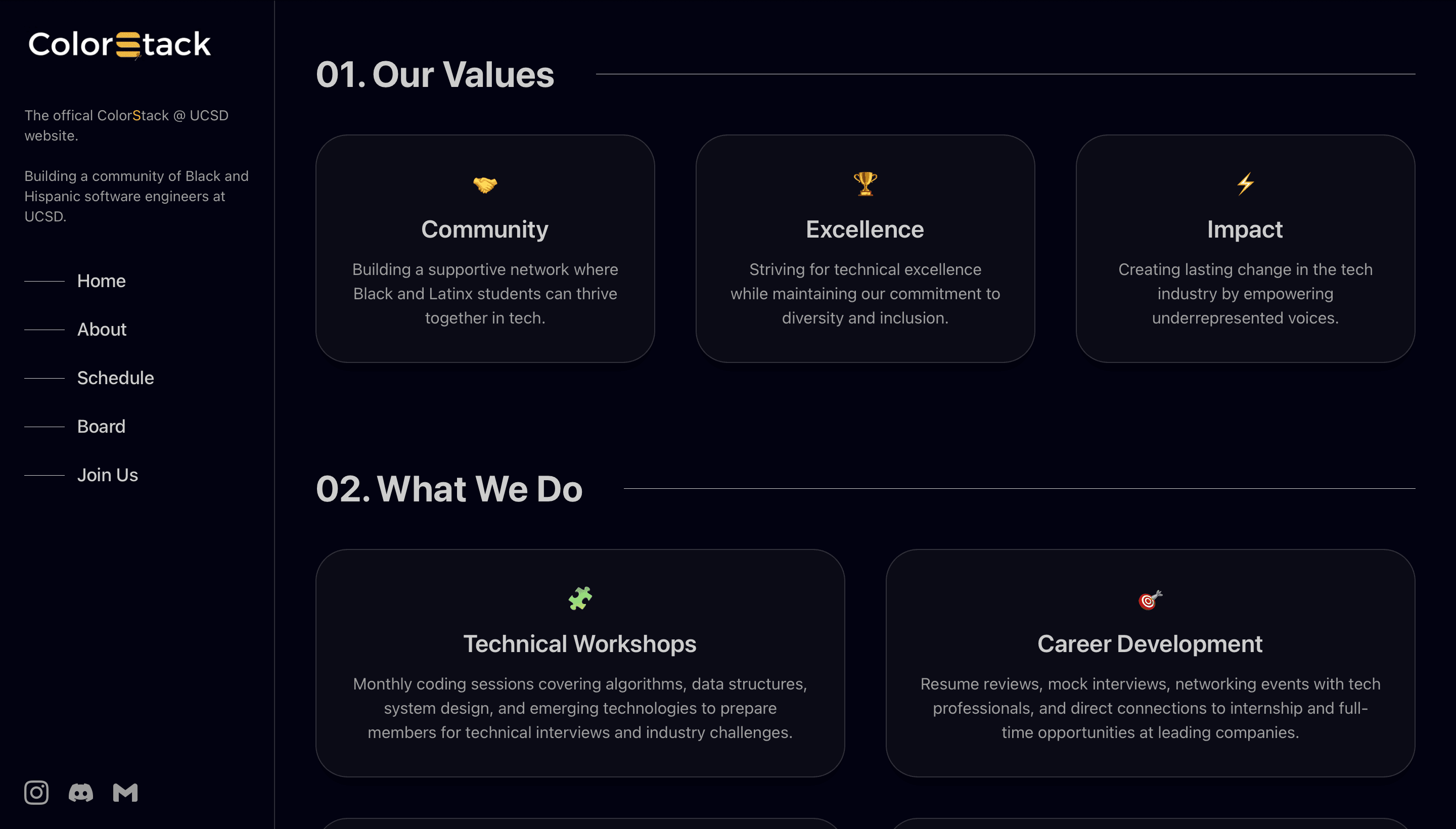
Built the official ColorStack @ UCSD website to showcase the community, events, and impact of Black and Hispanic software engineers at UCSD
Web Development•Next.js 16•React 19
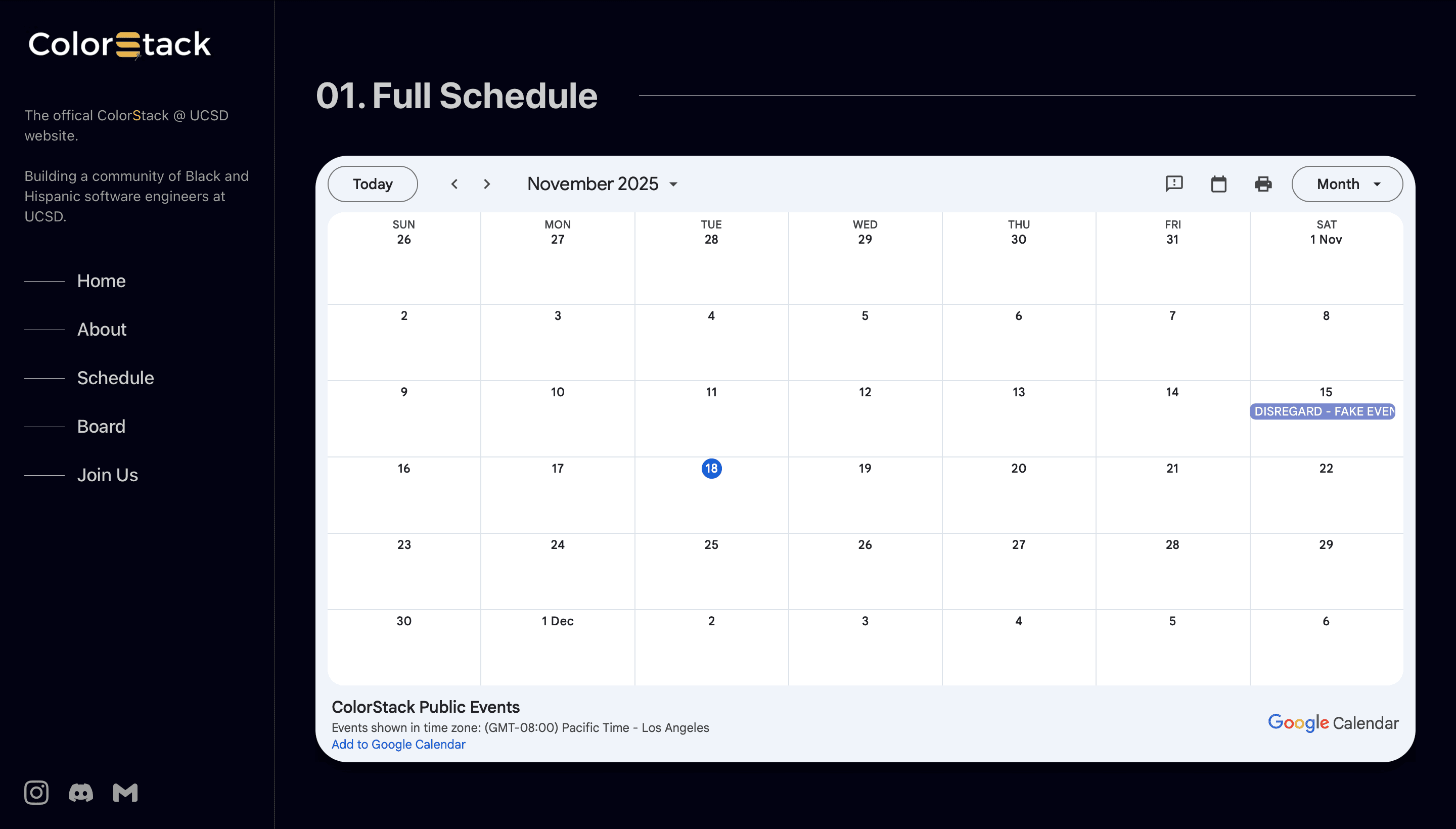
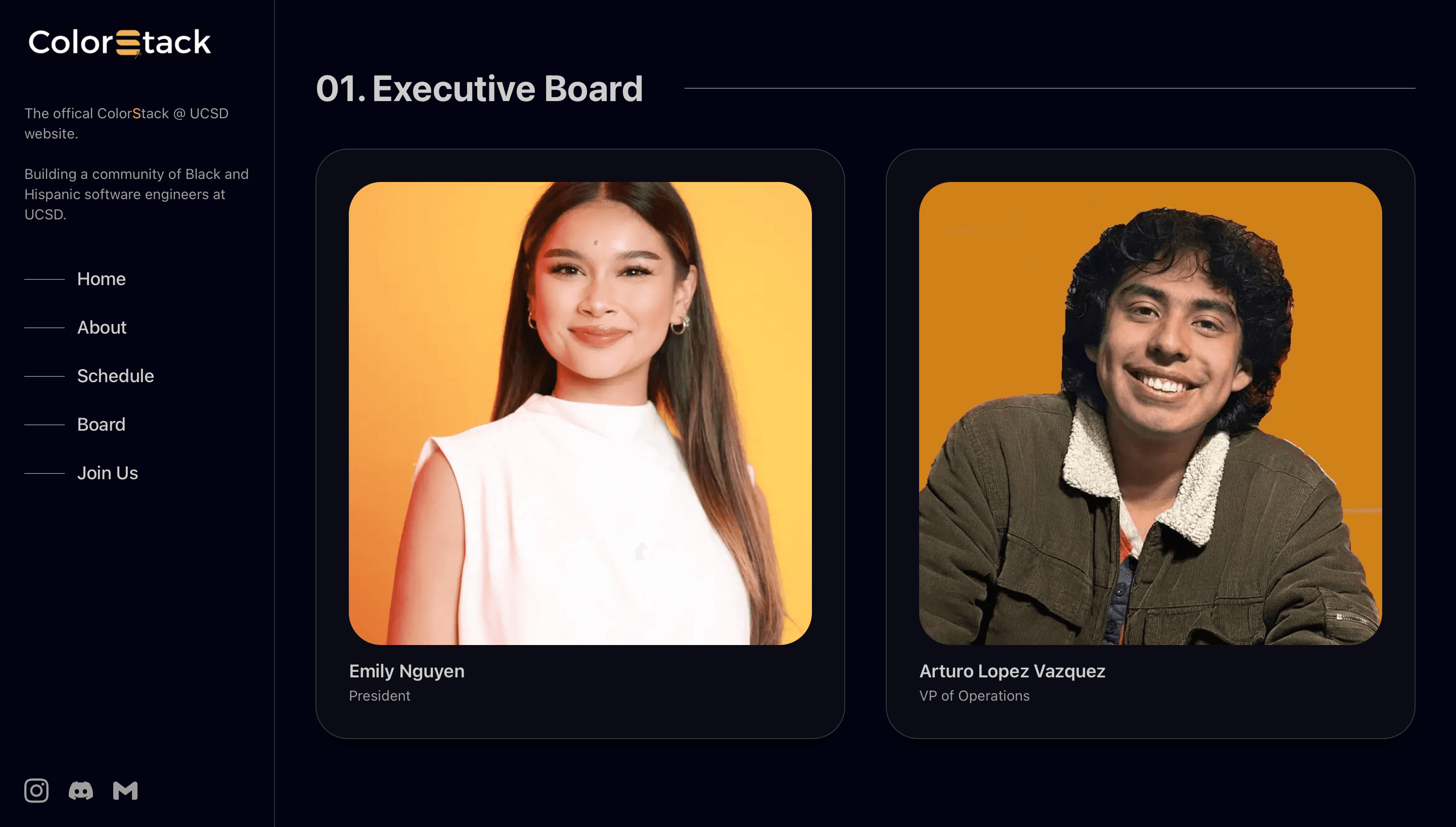
I built the official ColorStack @ UCSD website, the first website for this 2-year-old chapter of a national nonprofit dedicated to increasing the number of Black and Latinx Computer Science graduates entering top tech companies. The website features a comprehensive event calendar for technical workshops, career development sessions, and community building events, a member directory showcasing the community, and a blog section to highlight the work and achievements of members. I implemented sections for Our Values (Community, Excellence, Impact), What We Do (Technical Workshops, Career Development, Mentorship Program, Community Building), and Our Board structure (Executive, Development, Outreach, Finance boards). The site is built using Next.js 16, React 19, TypeScript, Tailwind CSS, and Prisma ORM for database management, with responsive design and modern UI components that reflect the community's mission of excellence and impact.
Built a comprehensive e-commerce platform to expand STEM education and technology access to underprivileged communities
Web Development•Next.js 15•React
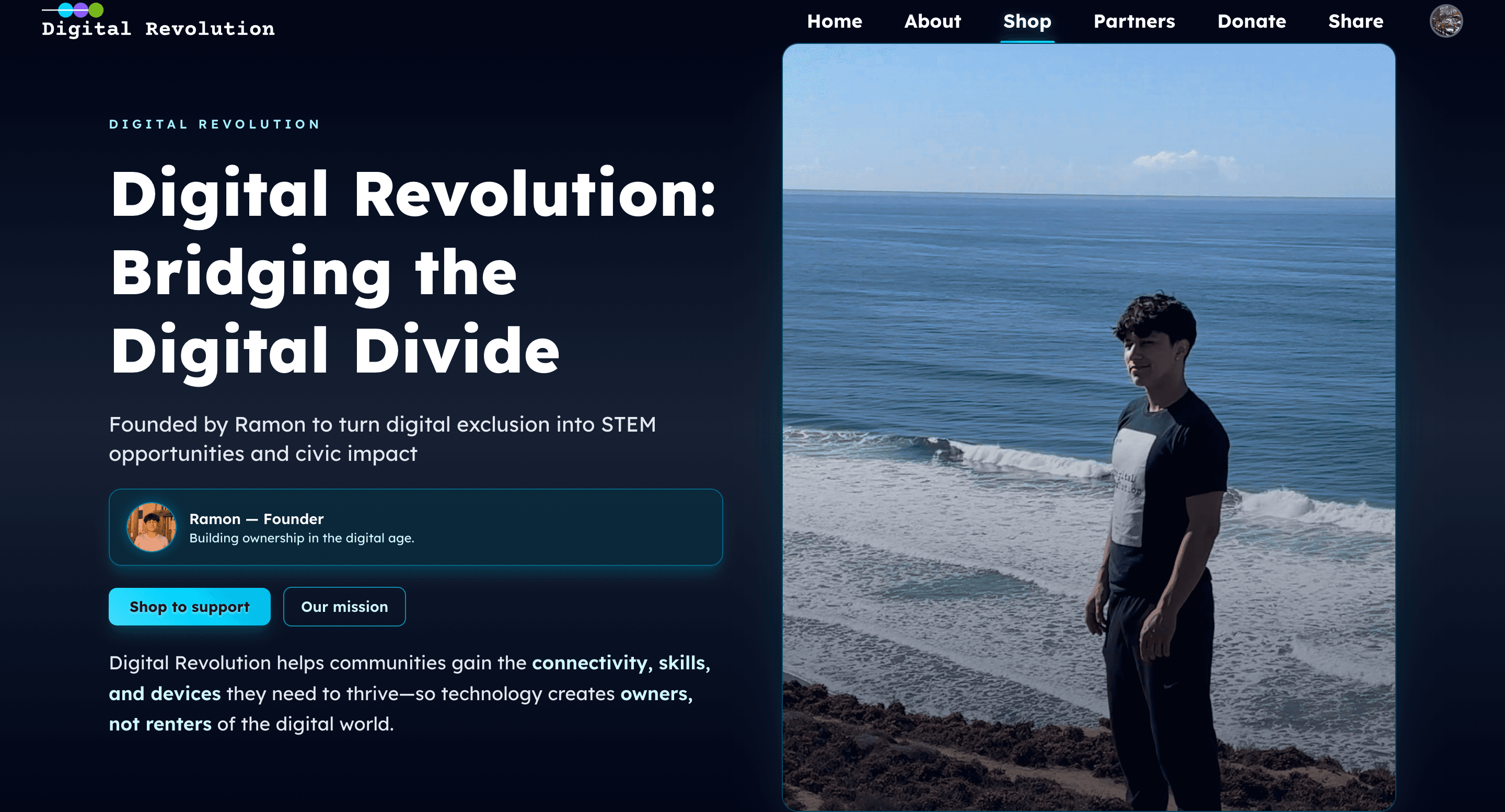
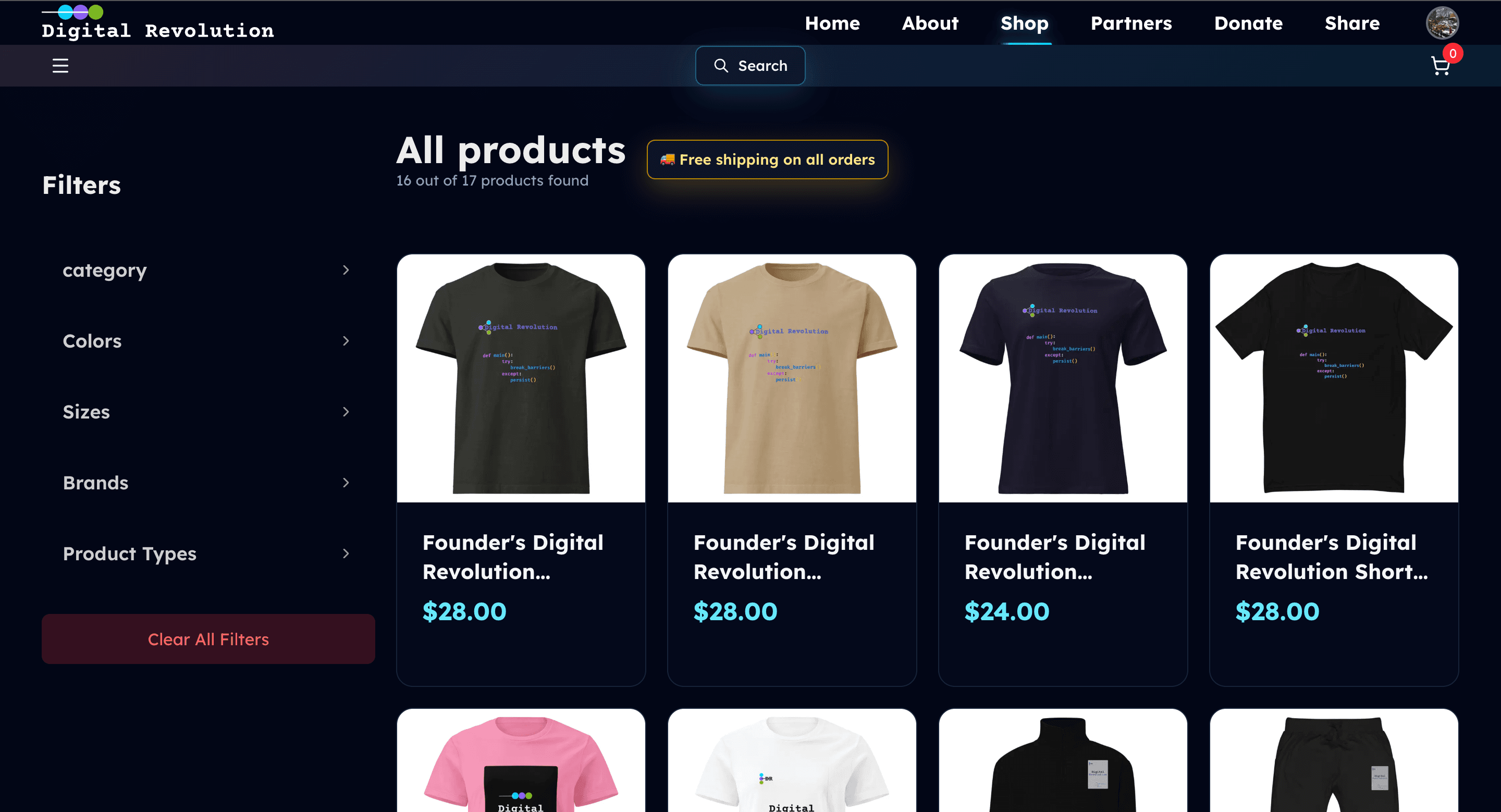
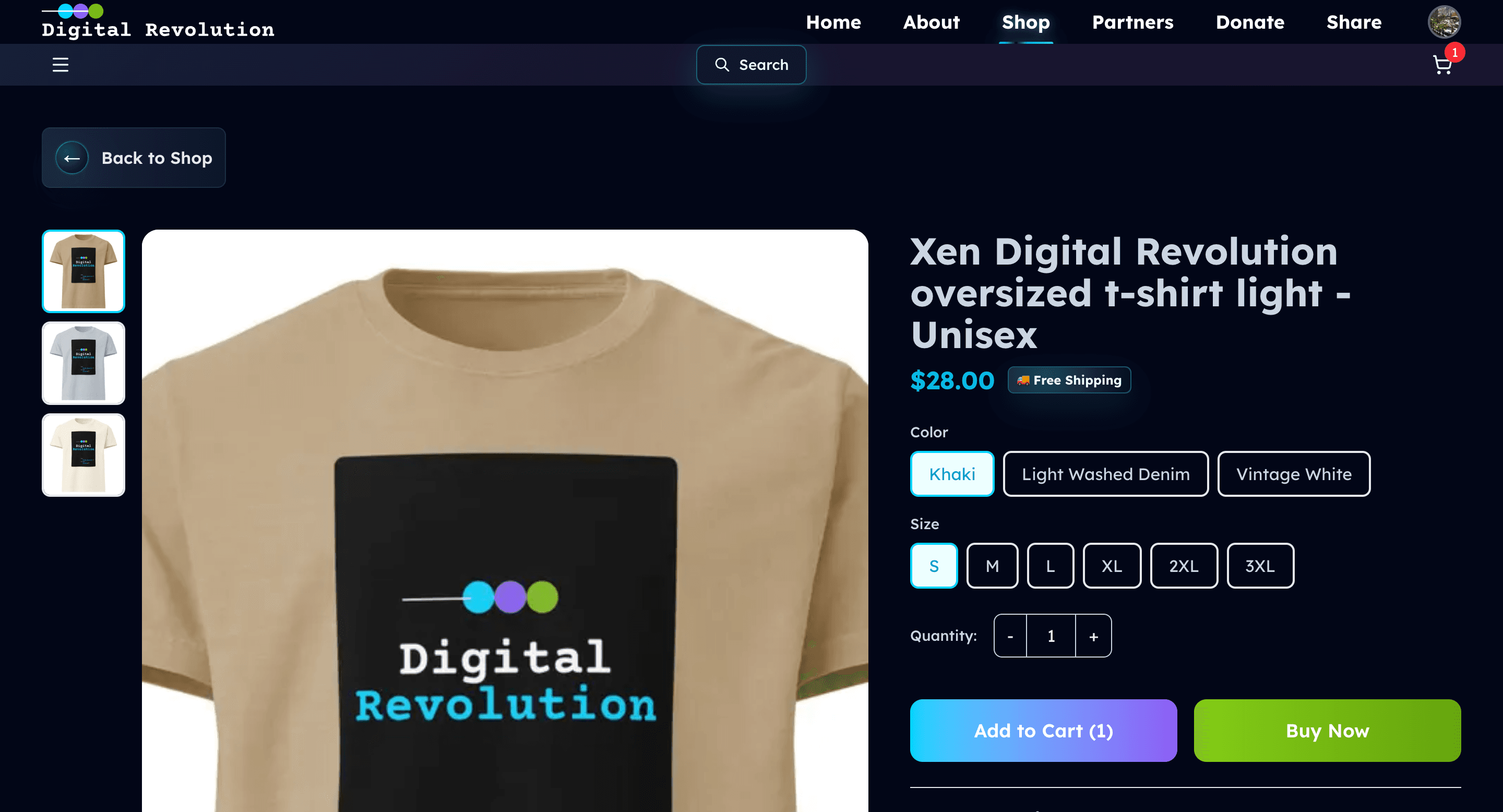
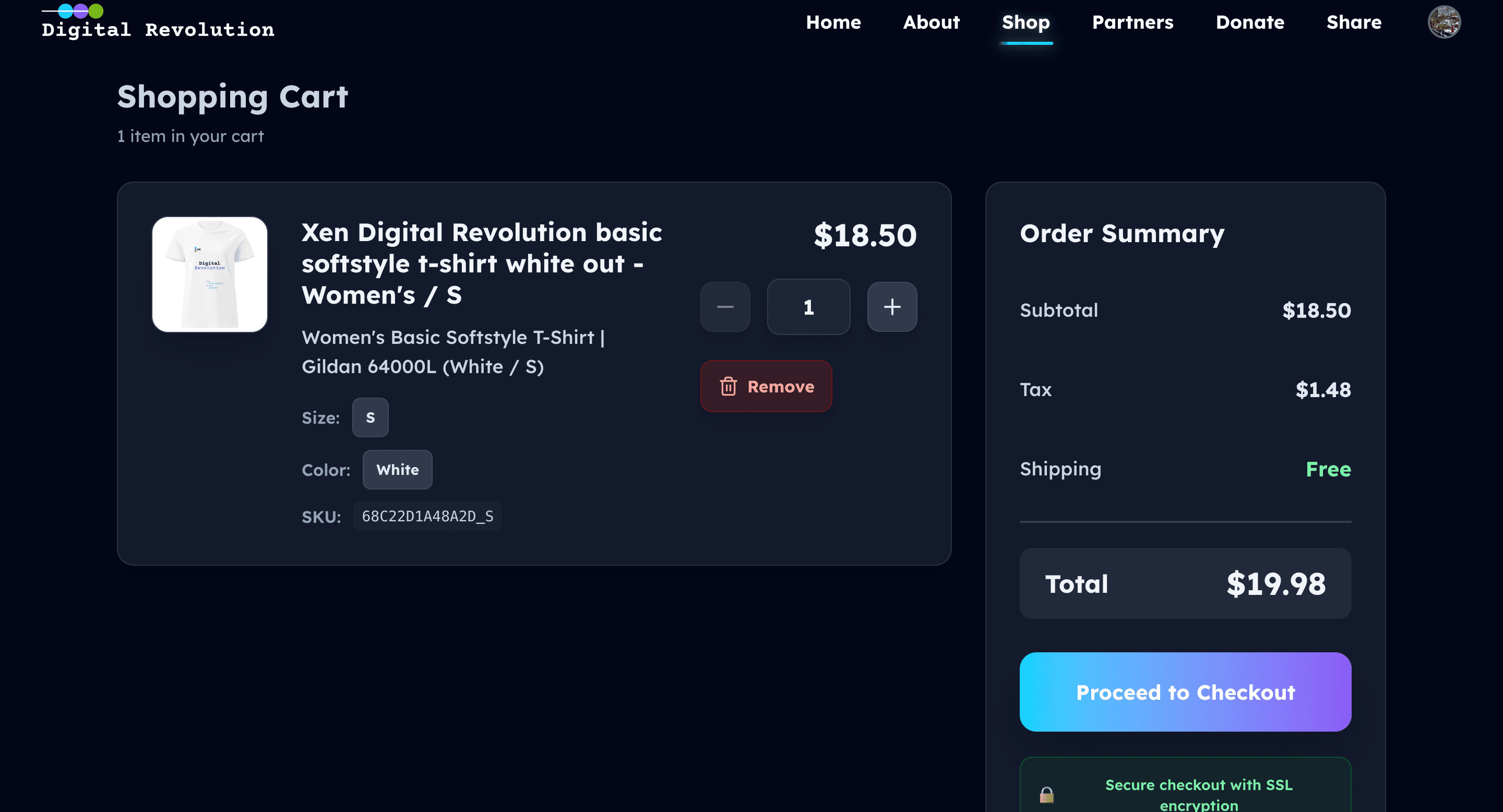
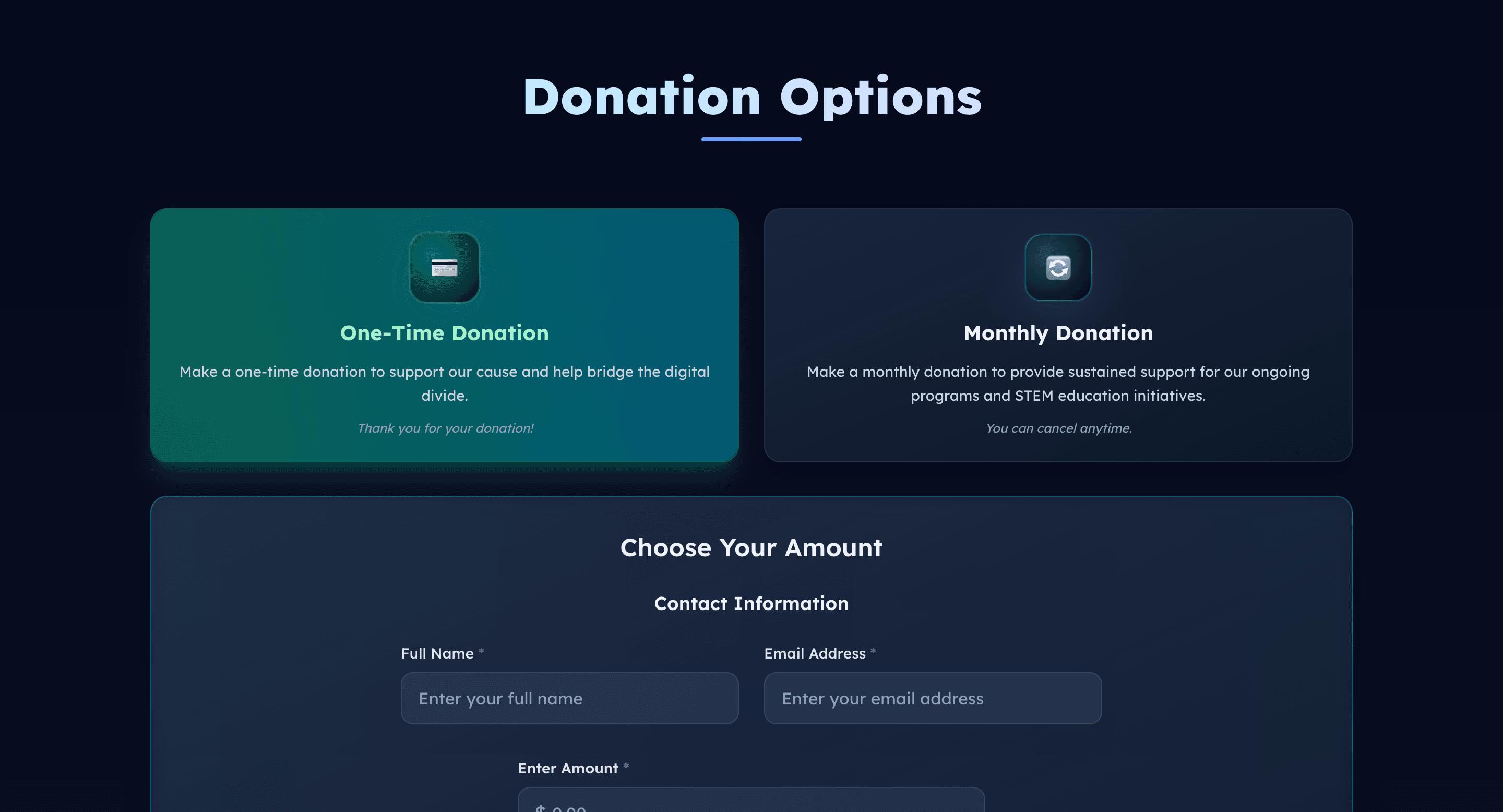
I developed a full-stack e-commerce platform for my nonprofit foundation dedicated to expanding STEM education and technology access to underprivileged communities. The platform features a complete shop system with print-on-demand merchandise through the Printful API, a donation system with both one-time and recurring contributions via Stripe, and automated email notifications using the Resend API. I implemented NextAuth.js v5 for secure authentication, built a comprehensive order management system with webhook handlers for both Stripe and Printful, and created a partnerships program to facilitate organization collaborations. The platform includes guest checkout support, persistent shopping carts, real-time inventory management, and a social sharing system to amplify the mission. With 50% of all profits directed to supporting digital equity initiatives, the website serves as both a revenue generator and community hub for creating creators rather than renters in the digital space.
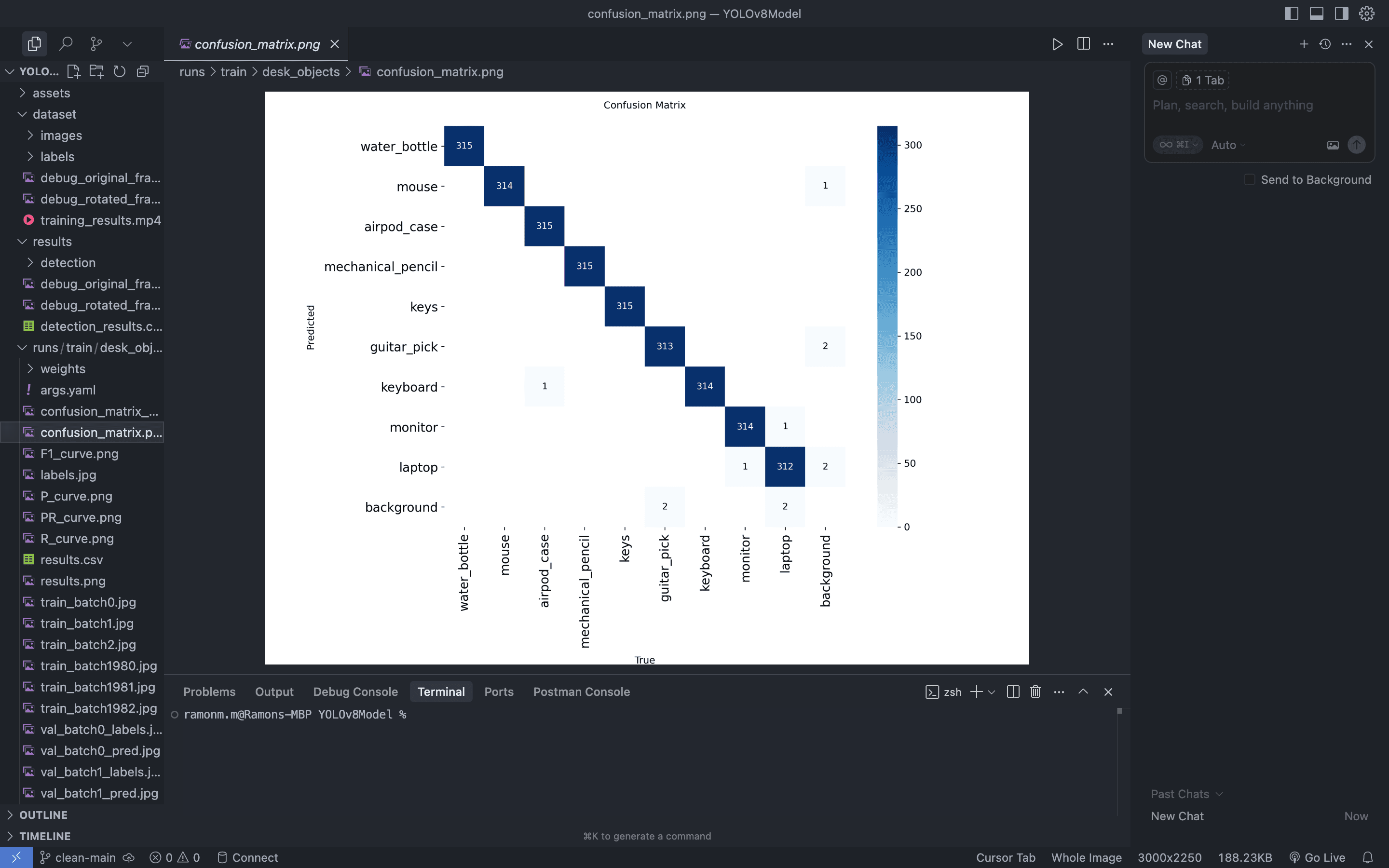
Trained a custom YOLOv8 model to identify 9 specific desk objects with 80% training accuracy
AI•Object Detection•YoloV8
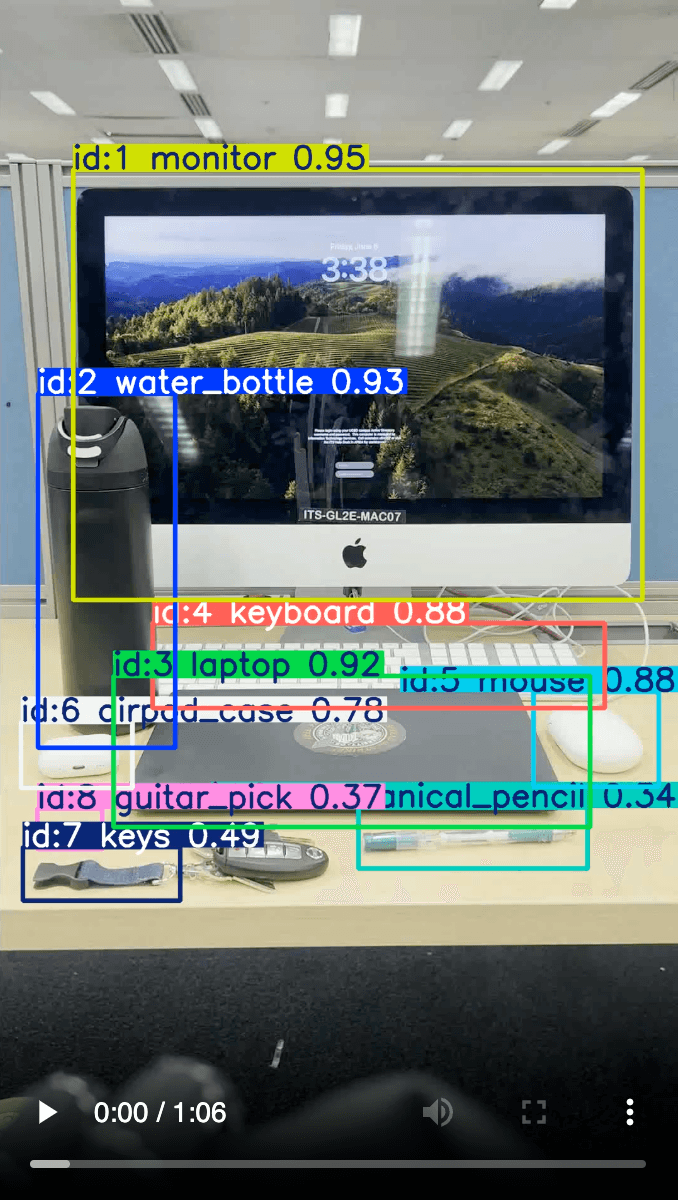
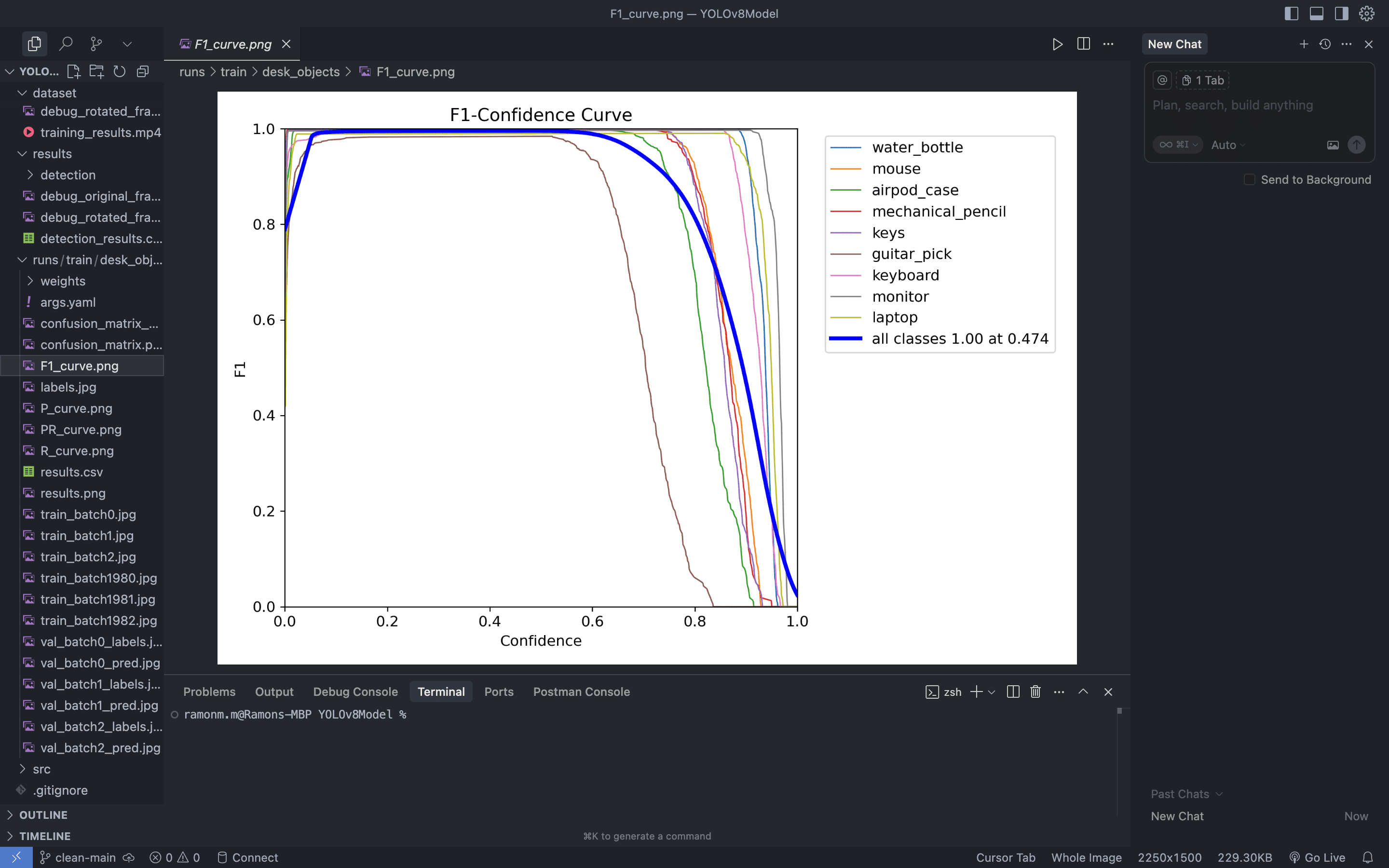
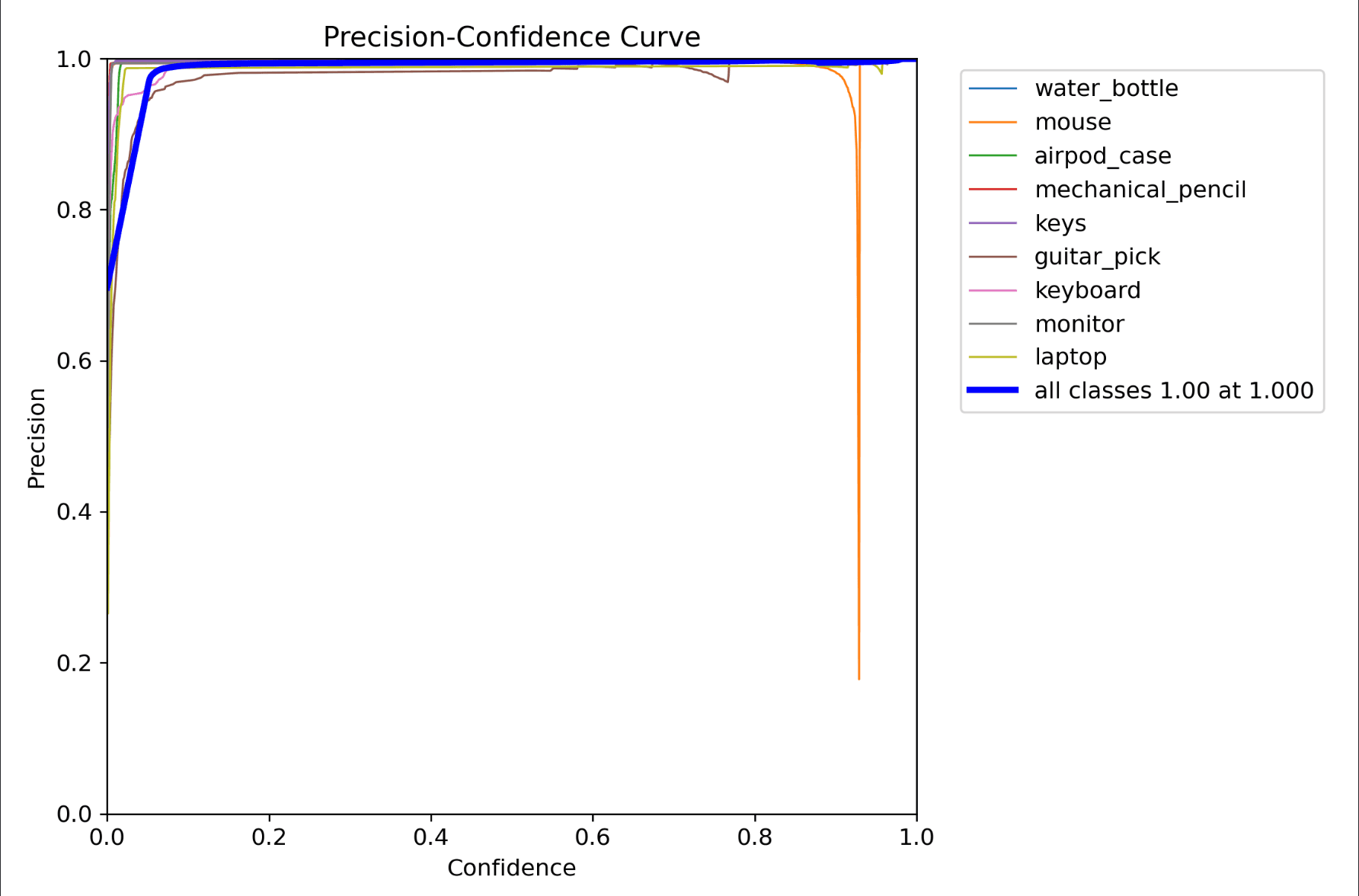
I created a custom YOLOv8 object detection model trained on 351 hand-labeled images across 9 desk object classes. The project involved recording 5 training videos from multiple viewpoints (birds-eye, front, horizontal, left, right), extracting frames every 2 seconds, and manually annotating each image. I implemented a complete pipeline including JSON-to-YOLO format conversion, dataset splitting (80% train, 20% validation), and model training for 84 epochs. The final model achieved a fitness score of 0.7944 and successfully detected all target objects in real-world video scenarios after confidence threshold optimization.